The Ultimate Guide to Safety Trainers: Protect Your Feet at Work
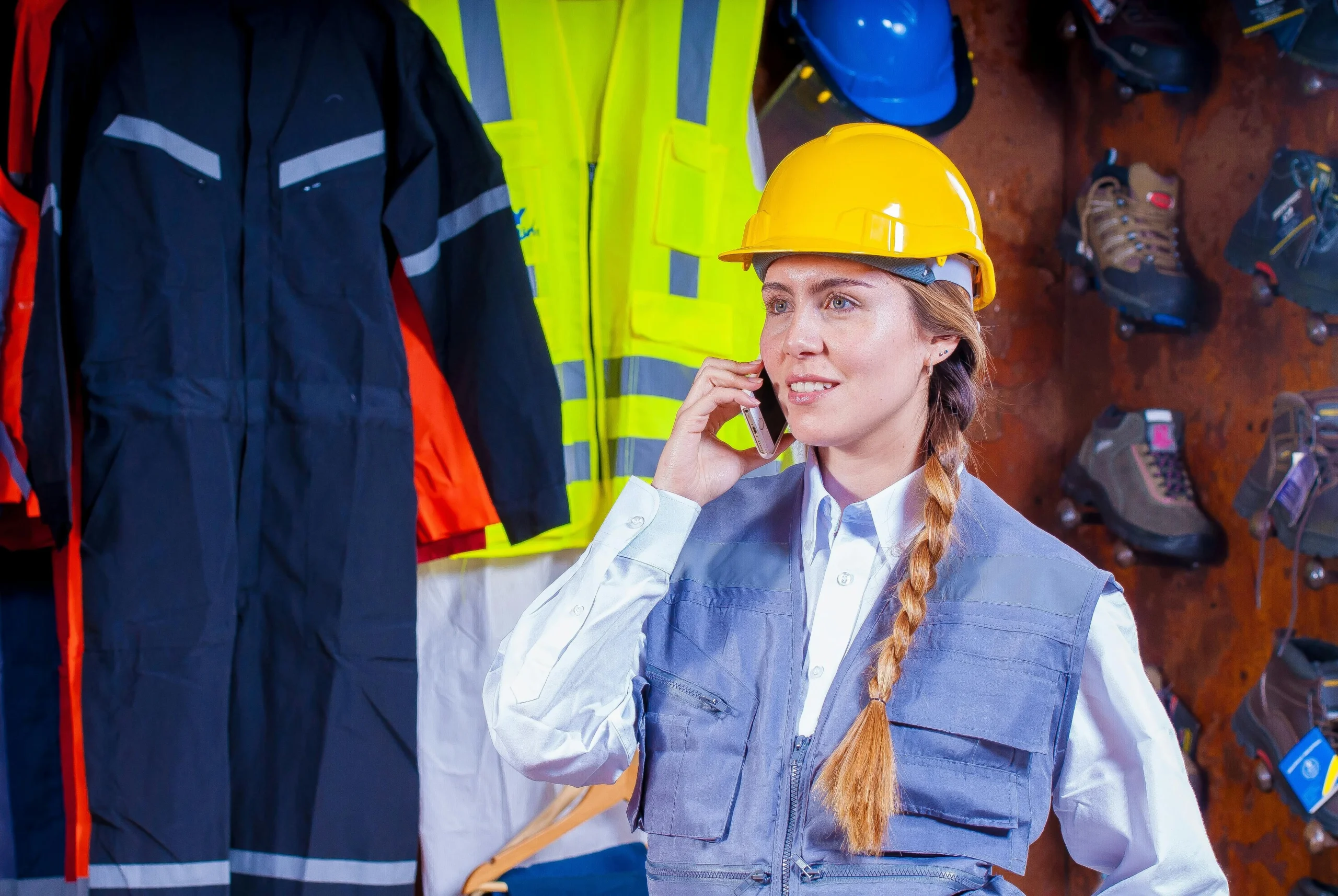
Safety trainers are an essential part of workwear, providing comfort and protection for individuals who work in environments where they are at risk of foot injuries. These versatile shoes combine the comfort of a sneaker with the durable features of safety boots, ensuring that your feet remain safe without compromising on comfort. In this article, we’ll discuss what makes a good pair of safety trainers, the types available, and how to choose the best ones for your needs.
What Makes a Good Safety Trainer?
A good safety trainer must provide adequate protection while maintaining comfort throughout long hours of use. The most important feature to look for is a steel toe cap, which protects against heavy objects that may fall or roll onto your feet. In addition, safety trainers should offer slip resistance to prevent accidents in hazardous conditions. Many trainers also come with additional protective features such as puncture-resistant soles and shock absorption for added comfort.
Do Safety Trainers Need to Be Compliant with Regulations?
Yes, safety footwear, including safety trainers, must meet specific industry standards. The most common standard for safety shoes is the EN ISO 20345:2011, which sets the requirements for footwear used in environments where there is a risk of injury. This includes having a steel toe cap, slip-resistant soles, and other safety features like electrical hazard protection. Compliance with this standard ensures that your footwear provides the necessary protection against workplace hazards.

Types of Safety Trainers Available
Safety trainers come in various styles and designs to suit different work environments. Some are designed for light industries like logistics and warehouses, while others are built for more rugged conditions like construction sites. Common types include:
- Steel Toe Cap Trainers: These offer excellent protection against heavy impacts and compression.
- Composite Toe Trainers: A lighter alternative to steel toe caps, these shoes still offer strong protection but are more comfortable for extended wear.
- Slip-Resistant Trainers: Ideal for environments where the floor is slippery, these shoes have soles designed to minimize the risk of slipping.
- Waterproof Trainers: These are perfect for wet conditions and protect your feet from moisture and cold.
Choosing the right type of safety trainer depends on the specific hazards you face at work.
How to Choose the Right Safety Trainers for Your Job
When selecting safety trainers, it’s important to consider the specific needs of your work environment. For example, if you’re working in a warehouse, you might prioritize comfort and lightweight features, while those working in construction might require more robust protection against heavy objects and sharp materials.
Here are some factors to consider:
- Protection Level: Does your job expose you to heavy items, chemicals, or electrical hazards? Make sure your trainers meet the required protection standards.
- Comfort: Look for trainers that provide cushioning and shock absorption to prevent foot fatigue.
- Durability: Choose trainers made with high-quality materials that can withstand tough conditions.
- Water Resistance: If you work in wet environments, opt for waterproof trainers to keep your feet dry and comfortable.

Are Safety Trainers Suitable for Outdoor Work?
Yes, safety trainers are suitable for outdoor work, especially those designed with waterproofing and slip-resistant soles. These trainers are made to endure various weather conditions, keeping your feet safe and comfortable while you work outdoors. Trainers with features like breathable mesh uppers are ideal for warmer weather, as they allow for ventilation, reducing sweat and discomfort.
For harsher outdoor conditions, you may want to consider trainers with additional protective features, such as reinforced toe caps and extra grip for slippery or uneven terrain.
The Benefits of Wearing Safety Trainers
Safety trainers offer a blend of comfort and protection, making them a great choice for workers in various industries. The primary benefits include:
- Protection: The steel or composite toe caps provide protection against falling objects, sharp debris, and other workplace hazards.
- Comfort: These trainers are typically lighter and more flexible than traditional safety boots, allowing for easier movement and less foot fatigue.
- Durability: Safety trainers are designed to last, with tough soles that resist wear and tear.
- Style: Many modern safety trainers are designed to look like regular sneakers, allowing workers to wear them both in and out of the workplace without feeling self-conscious.
How to Care for Your Safety Trainers
Proper care and maintenance of your safety trainers can prolong their lifespan and ensure they continue to provide the protection you need. Here are some tips:
- Clean Regularly: Dirt and debris can affect the performance of your shoes. Clean them regularly with mild soap and water.
- Check for Damage: Inspect your trainers for signs of wear, such as cracks in the sole or damage to the toe cap. If you notice any issues, it may be time for a replacement.
- Dry Properly: If your trainers get wet, ensure they dry naturally at room temperature. Avoid placing them near direct heat sources, as this can damage the material.
- Replace Insoles: Over time, the insoles may wear down. Replacing them can improve comfort and support.

Conclusion
Safety trainers are an essential component of workwear, offering protection, comfort, and durability. With the right pair of safety trainers, you can ensure that your feet remain protected throughout the day while also enjoying the flexibility and comfort of lightweight shoes. By considering your work environment and choosing the appropriate features, you can find safety trainers that meet your needs and help prevent foot injuries.
FAQs
1. Are safety trainers waterproof?
Some safety trainers are waterproof, making them ideal for working in wet environments. Look for trainers with waterproof materials or coatings to keep your feet dry.
2. Can I wear safety trainers for long hours?
Yes, safety trainers are designed for long hours of use. They are typically lighter and more breathable than traditional boots, which makes them more comfortable for extended wear.
3. How do I know if my safety trainers meet safety standards?
Look for the EN ISO 20345:2011 certification mark on your trainers. This indicates that they meet the necessary safety requirements for work footwear.
4. Are safety trainers good for outdoor work?
Yes, safety trainers are suitable for outdoor work, especially those with waterproofing, slip-resistant soles, and added durability for rough terrain.
5. How often should I replace my safety trainers?
Replace your safety trainers when they show signs of damage, such as cracks in the sole or a worn-out toe cap, or when they no longer provide adequate protection or comfort.
6. Are there different types of toe caps in safety trainers?
Yes, safety trainers often come with either steel or composite toe caps. Steel is more protective, while composite toe caps are lighter and more comfortable.
7. Can safety trainers be worn in construction environments?
Yes, many safety trainers are designed specifically for construction, offering protection against heavy objects, electrical hazards, and slippery surfaces.
8. How do I properly maintain my safety trainers?
Regular cleaning, checking for damage, drying properly, and replacing insoles when necessary can help prolong the life of your safety trainers.